
OTP Verification
Enter the OTP that was sent to your mobile number.
Time remaining: 0:30
No Cost EMI is available on cart value of Rs: 4,995/- and above, Additional Exclusive Cashback offers from leading banks! - T&C
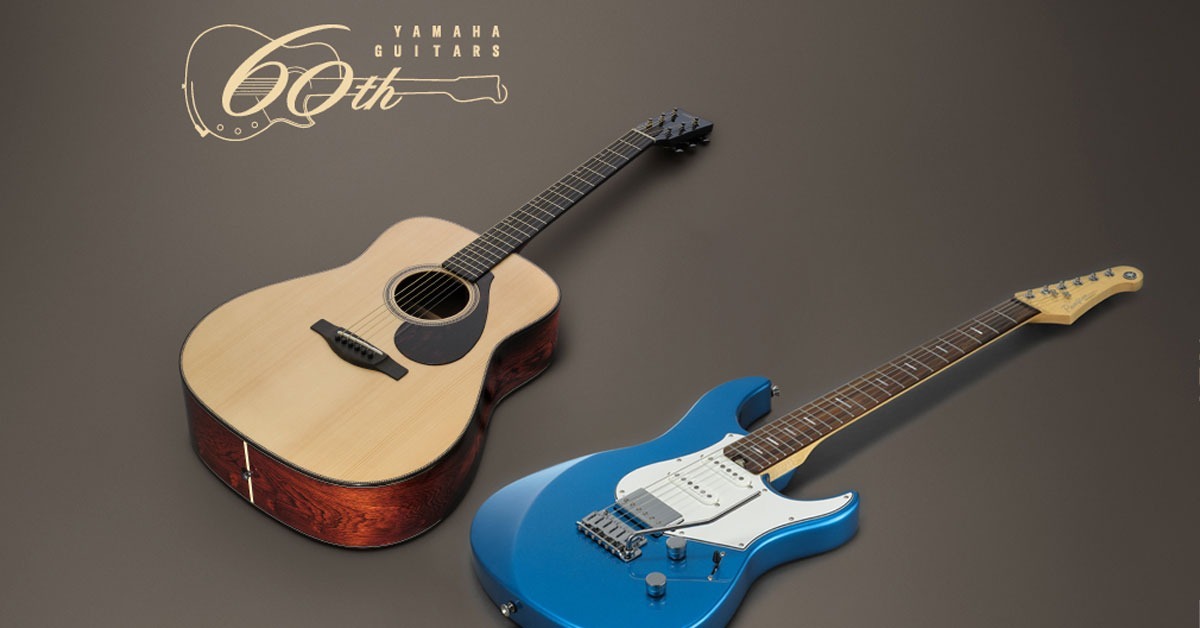
For six decades, Yamaha has shaped the world of guitars through careful craftsmanship, engineering precision, and a deep understanding of musicianship. The legacy of Yamaha guitars has grown through innovation, artist collaboration, and a strong connection with players across generations. The story behind the 60th Anniversary of Yamaha Guitars is not simply about reaching a milestone; it reflects years of experimentation, artist collaboration, manufacturing excellence, and a relentless pursuit of musical expression.
From handcrafted acoustic models to stage-ready solid body designs, the brand has consistently introduced ideas that changed how performers connect with sound. Every era brought something new, refined wood treatment methods, advanced pickup systems, compact practice amplifiers, resonance technologies, and performance-focused hardware that responded directly to the needs of working musicians.
Today, Yamaha guitars are trusted by beginners, touring artists, session players, educators, and collectors across the world. From stage performances to studio recordings, Yamaha guitars continue to stand out for their craftsmanship, comfort, and tonal depth. The journey from the earliest workshop concepts to globally respected product lines represents a rich legacy built on consistency rather than trends.
Buy Guitar OnlineThe Yamaha story in guitars began during the 1960s, when the company expanded beyond keyboards and orchestral products to create high-quality six-string instruments. Over time, Yamaha guitars earned recognition for dependable craftsmanship, balanced sound, and player-focused design. Rather than following existing formulas, Yamaha invested heavily in research, production techniques, wood selection, and acoustic analysis.
Early manufacturing teams focused on building instruments that balanced comfort, durability, projection, and tonal character. These foundations helped Yamaha establish a reputation for reliability at a time when musicians were searching for dependable stage and studio companions.
What truly separated Yamaha from many competitors was its engineering mindset. Instead of relying solely on tradition, the company blended artisan techniques with technical innovation. This combination became a defining characteristic across every major guitar series introduced over the decades.

The celebration of 60 years of Yamaha Guitars highlights far more than product releases. It represents decades of development across acoustic models, performance-ready stage instruments, studio-focused designs, and modern amplifier systems. It showcases how the company continuously refined the relationship between materials, resonance, electronics, and player comfort.
Several technologies introduced throughout the years became defining milestones in modern instrument design:
Each advancement was created with practical performance needs in mind. Yamaha engineers consistently focused on how instruments respond in real playing situations rather than simply adding features for specification sheets.
Buy Acoustic GuitarAmong Yamaha’s most celebrated developments is the TransAcoustic concept. This technology transformed the playing experience by allowing performers to hear reverb and chorus directly from the instrument itself without external processors.
An internal actuator converts signal energy into vibrations, causing the body to resonate naturally. Instead of relying on external amplification, the instrument becomes part of the effect system itself. The result feels organic, immersive, and remarkably responsive during practice sessions, songwriting, or intimate performances.
Second-generation TransAcoustic guitar models expanded the concept even further with external audio playback and looping capabilities. This created an instrument capable of supporting listening, practice, layering, and composition in one compact format.
For many players, this technology changed home practice entirely. Rather than depending on complicated setups, musicians could experience ambient depth directly from the instrument’s body.
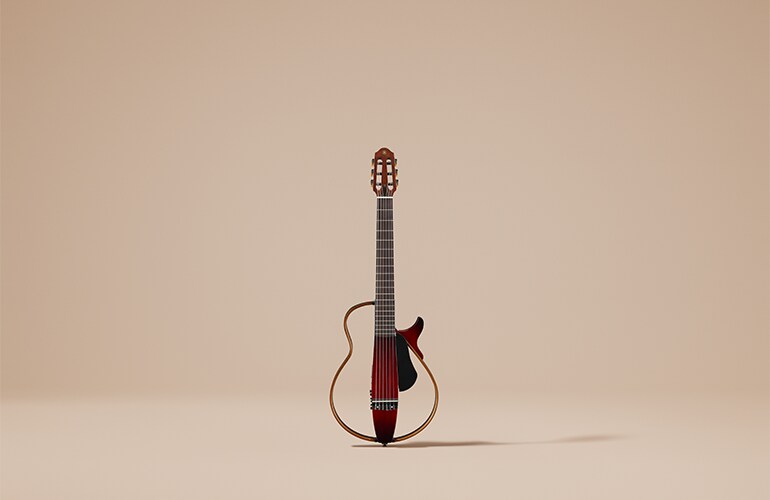
Yamaha also redefined portable performance through the Silent guitar series. These instruments removed the conventional resonant body while preserving natural playability and tonal realism.
The lightweight frame structure dramatically reduced acoustic volume while maintaining a comfortable feel for performers. This design allowed musicians to practice late at night, rehearse in shared spaces, or travel with greater convenience.
Second-generation models introduced SRT Powered technology, blending pickup signals with carefully processed studio resonance. The outcome delivered a more realistic listening experience through headphones and external monitoring systems.
Key advantages of the Silent series include:
The Silent concept reflected Yamaha’s ability to solve practical musician problems while still maintaining an emotional connection with sound.
Buy SLG-200 Silent GuitarOver the decades, Yamaha introduced several innovations that transformed the way musicians experience sound, performance, and tonal control. These developments were not limited to design improvements alone; they changed how artists practice, record, perform, and connect emotionally with their instruments.
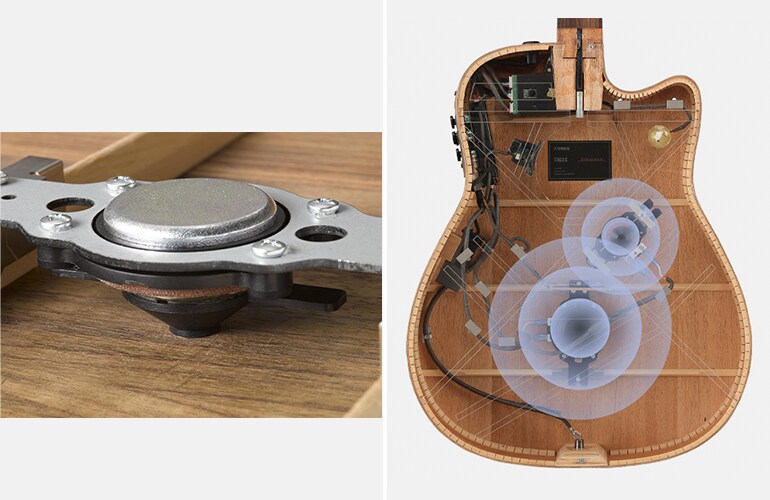
The TransAcoustic series transformed natural resonance by allowing players to experience immersive reverb and chorus directly from the instrument itself. Without relying on external gear, it delivers a richer, more expressive, and naturally immersive playing experience.
Yamaha’s Silent Series redefined portability and private performance with lightweight designs, reduced acoustic output, and comfortable playability for practice, travel, and backstage sessions.
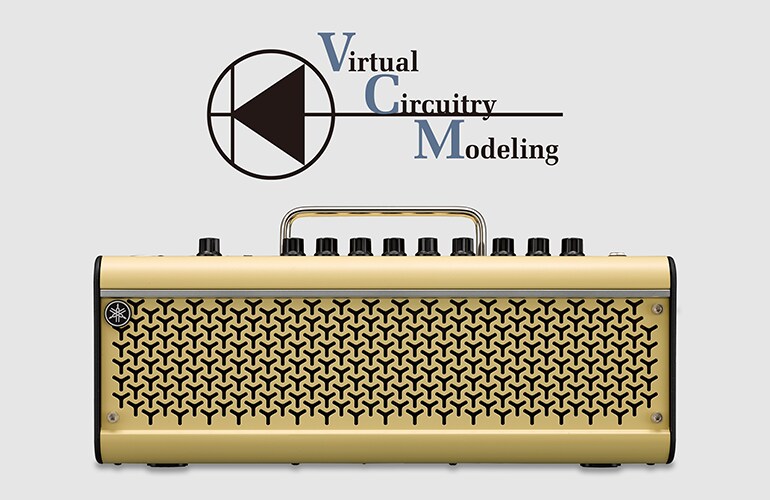
VCM technology recreated the detailed response of classic analog circuitry through advanced digital modeling. Instead of flat digital tones, Yamaha amplifiers delivered warmth, responsiveness, and natural tonal behavior similar to traditional analog systems, making it a defining feature in compact amplifier designs for home studios and personal setups.
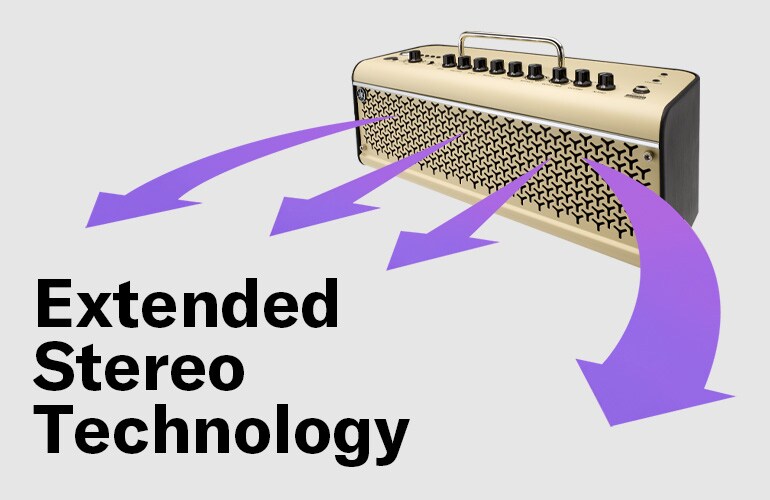
Yamaha’s Extended Stereo technology enhanced spatial depth in compact amplification systems. Despite smaller cabinet sizes, performers experienced room-filling stereo imaging that created a wider and more immersive listening environment. This innovation reflected Yamaha’s continued focus on realistic sound projection and studio-inspired audio quality.
Yamaha’s approach to tonal development combines craftsmanship with scientific research. Every structural element - from wood treatment to vibration analysis - is carefully refined to improve resonance, sustain, and player response.
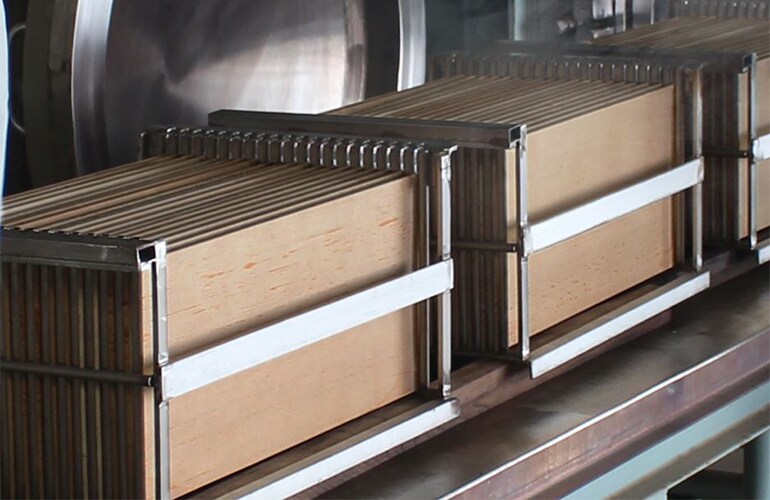
A.R.E. technology was developed to recreate the mature tonal characteristics normally achieved after years of playing. Through controlled temperature and humidity treatment, Yamaha improved the resonance behavior of wood, resulting in a warmer and more open tonal response from the beginning.
I.R.A. technology focuses on vibration conditioning to reduce internal stress within structural components. This process enhances resonance and responsiveness, giving performers a more settled and naturally expressive feel immediately after purchase.
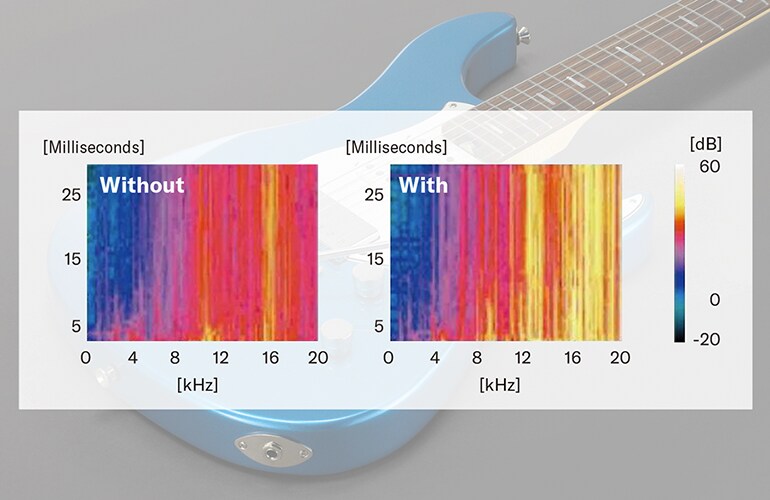
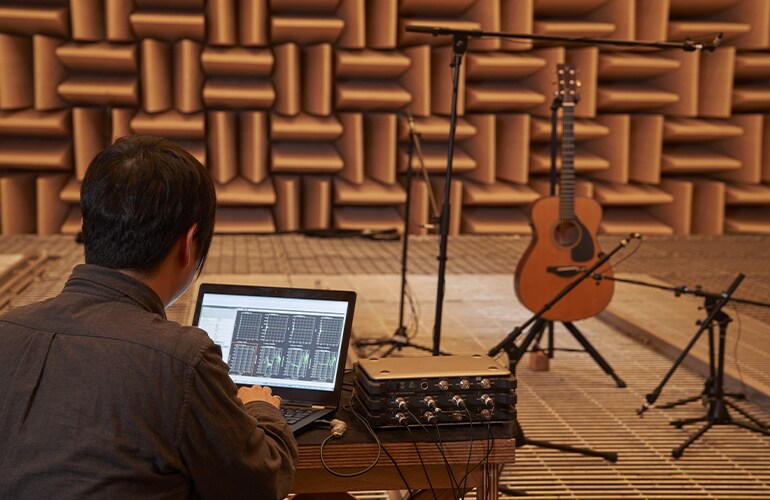
Using advanced acoustic guitar analysis, Yamaha engineers study resonance patterns, vibration movement, body structure, and projection characteristics during the development stage. This detailed process allows Yamaha to create instruments that balance tonal clarity, sustain, comfort, and performance reliability.
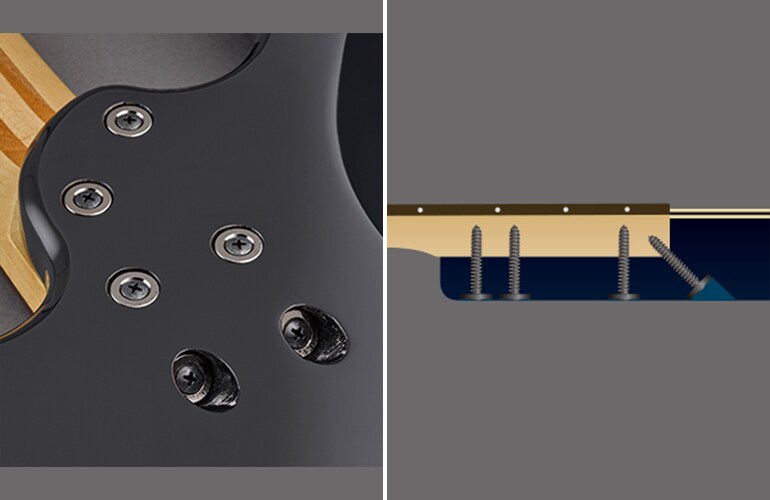
Miter Bolting technology strengthened neck stability and structural durability while improving resonance transfer between components. Originally developed for demanding stage performance conditions, this innovation enhanced sustain, reliability, and long-term structural consistency.
As live performance and recording demands evolved, Yamaha continued developing systems that allowed performers to shape and refine their tonal identity with greater precision.
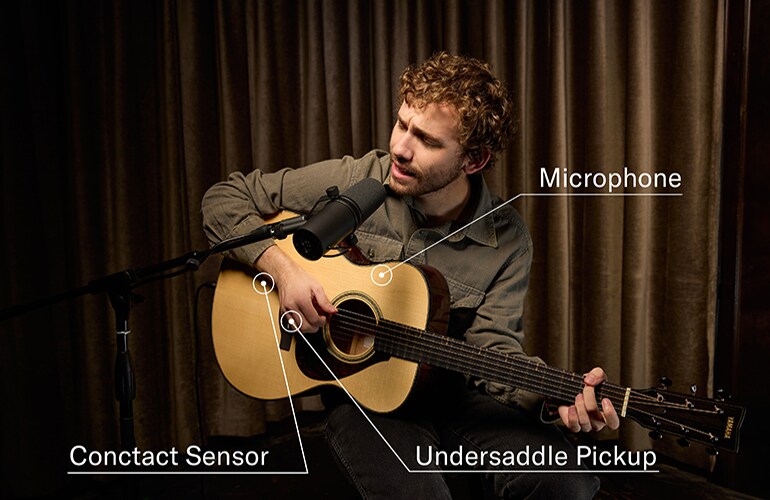
Atmosfeel technology was designed to recreate the natural ambience performers hear while playing acoustically. By blending multiple signal sources, including body resonance and microphone response, the system delivers a more realistic amplified sound with greater tonal depth and detail.
SRT systems blend live performance signals with carefully recorded studio reference tones to achieve polished and natural amplification. This technology allows performers to experience recording-quality tonal character during rehearsals, concerts, and direct recording sessions.
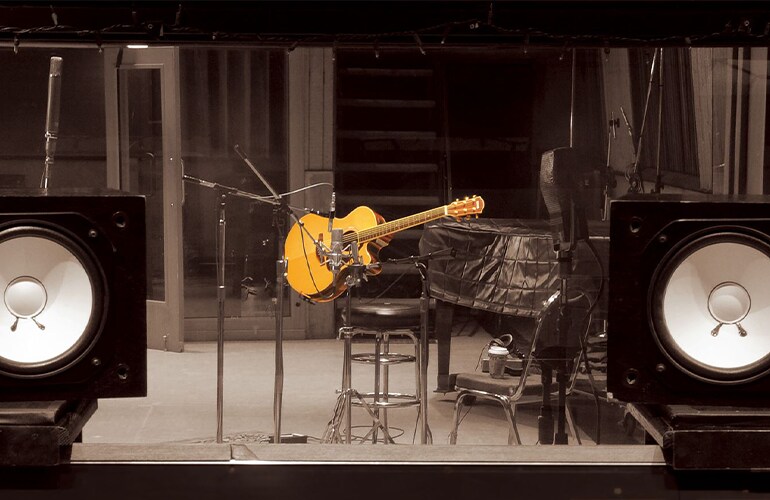
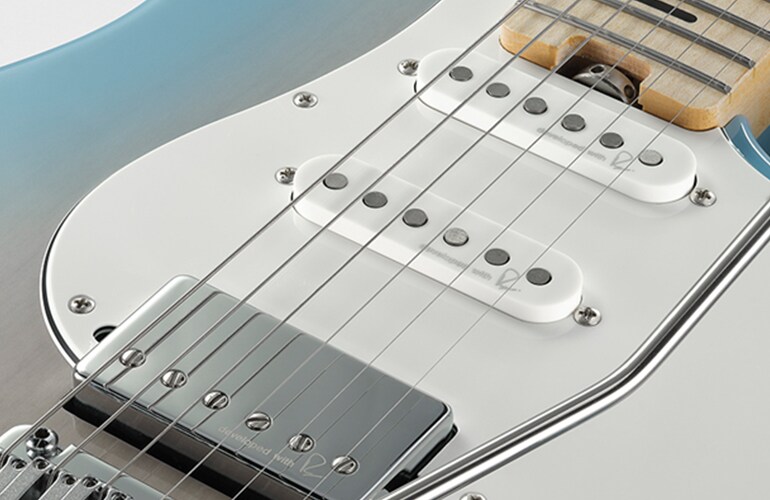
Developed in collaboration with Rupert Neve Designs, Reflectone pickups were engineered for improved tonal balance and articulation. The system captures both low-end warmth and high-frequency clarity, helping performers maintain expressive detail across multiple playing styles.
Focus Switch technology allows performers to shape midrange presence and tonal character more precisely. This feature became especially valuable during live performances where tonal clarity and projection are essential within complex mixes.
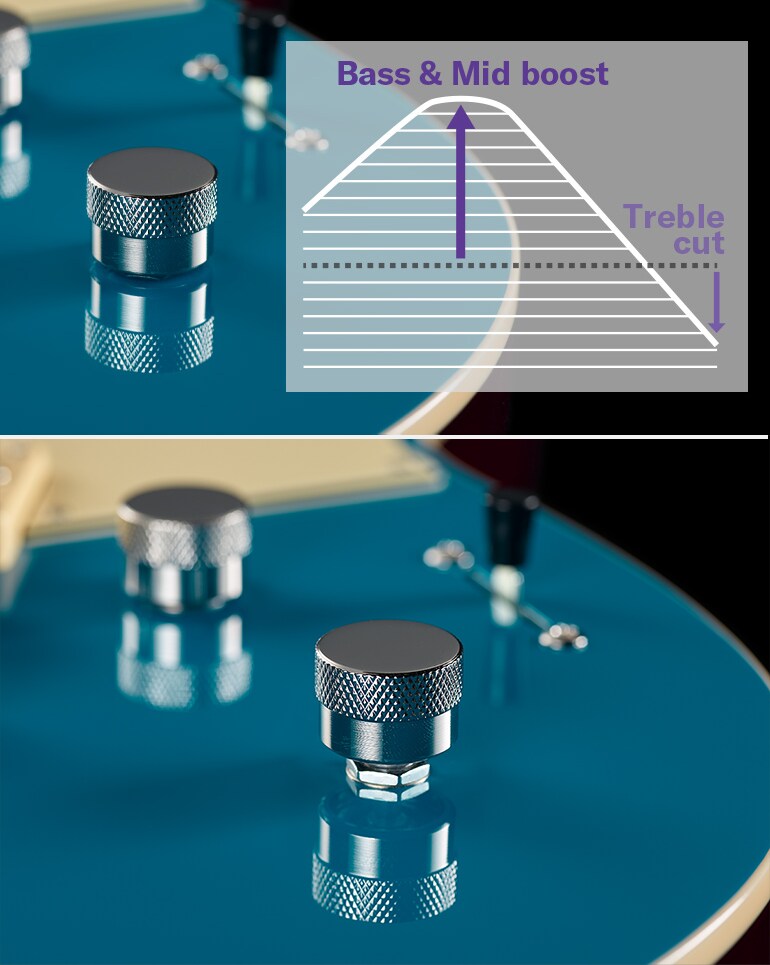
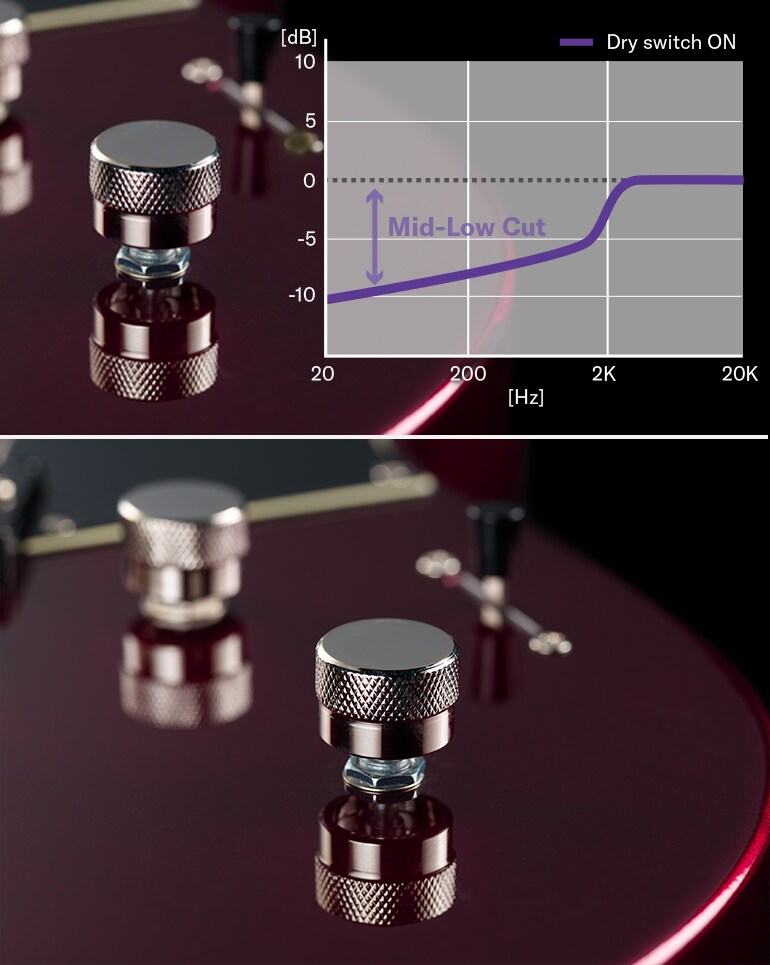
Dry Switch systems were developed to control excessive low-frequency resonance while preserving warmth and definition. This helped performers achieve a cleaner and more balanced amplified tone without losing natural character.
Performance EQ systems gave musicians greater control over tonal shaping during live and studio use. Quick tonal adjustments, enhanced flexibility, and balanced sound customization made these systems practical for performers across different musical styles.
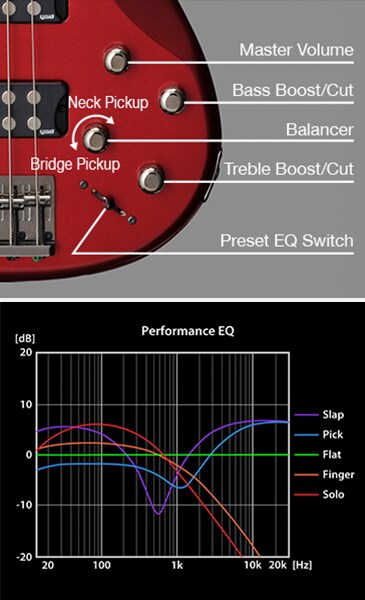
Over six decades, Yamaha instruments have appeared in rehearsal rooms, classrooms, concert halls, studios, worship spaces, and international tours.
Many musicians begin their musical journey with Yamaha because of the brand’s reputation for consistency and accessibility. Others remain loyal throughout professional careers because the instruments continue evolving alongside changing performance needs.
This long-standing trust did not emerge from marketing alone. It was built through years of dependable craftsmanship, artist feedback, technological research, and manufacturing precision.
The influence of Yamaha can also be seen in the growing demand for guitars online in India, where players increasingly seek instruments that combine reliability, tonal depth, and long-term value.

India’s growing independent music culture has contributed significantly to the popularity of Yamaha products. From singer-songwriters and fusion artists to session musicians and educators, performers across genres continue adopting Yamaha instruments for practice, recording, and stage work.
Many buyers researching guitar price comparisons now prioritize tonal consistency, comfort, and durability instead of appearance alone. Yamaha has remained relevant because its instruments address these practical concerns while still delivering strong musical character.
instruments address these practical concerns while still delivering strong musical character. The rise of home studios, live streaming performances, and independent releases has also increased demand for dependable amplification and recording-friendly pickup systems.
Whether a player prefers a traditional Acoustic guitar tone or a performance-focused electric guitar setup, Yamaha continues offering solutions tailored to modern performance environments.
Buy Electric Guitar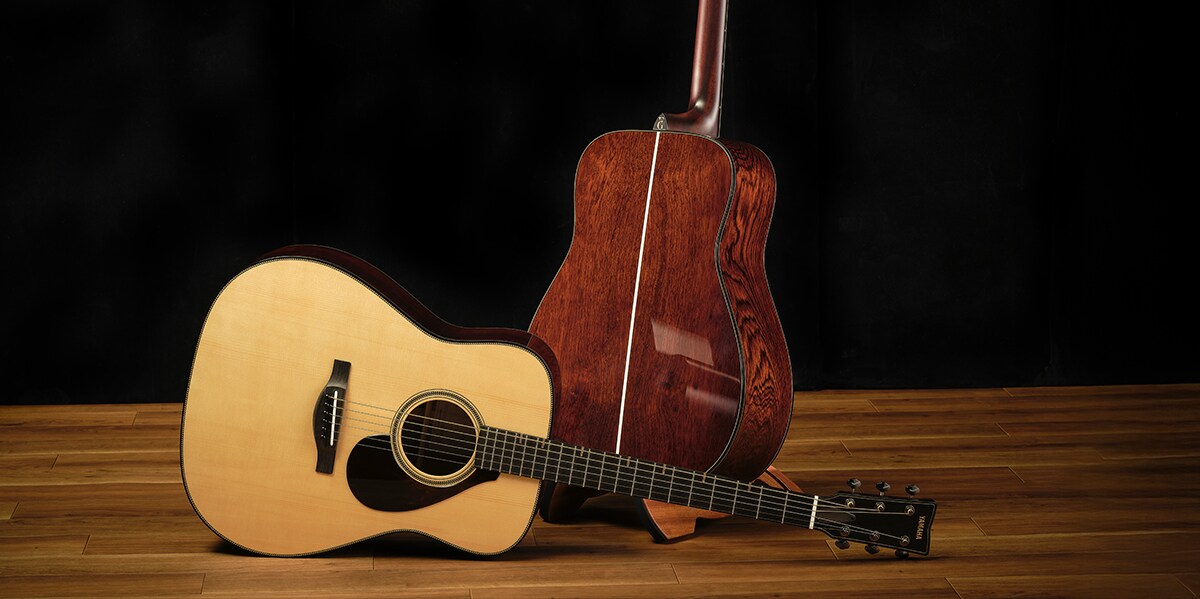
The FG9 stands as Yamaha’s flagship acoustic model, shaped through six decades of craftsmanship and tonal refinement. Built for performers, it delivers powerful projection, rich resonance, and exceptional clarity across both studio and live settings.
resonance, and exceptional clarity across both studio and live settings. Designed for expressive playing, the FG9 responds naturally to fingerstyle passages and dynamic strumming while maintaining warmth, balance, and sustain.
The FG9 pairs an Adirondack spruce top with Guatemalan rosewood back and sides, creating a tone that feels warm, dynamic, and highly articulate.
Design details include:
More than a premium model, the FG9 reflects Yamaha’s continued evolution in acoustic craftsmanship, combining refined design, expressive tone, and player-focused performance into one instrument.
The 60th Anniversary celebration is ultimately a reflection of Yamaha’s philosophy: progress should support musical expression rather than distract from it.
Every major innovation introduced throughout the decades - from resonance enhancement systems to advanced pickup technology - was created to strengthen the connection between performer and sound.
Even as music production methods continue changing, Yamaha remains focused on craftsmanship, tonal integrity, engineering precision, and player experience.
The company’s future will likely continue blending traditional artistry with modern research, creating instruments that inspire both established professionals and emerging talent.
The 60th Anniversary of Yamaha Guitars celebrates six decades of craftsmanship, innovation, and musical evolution. It reflects Yamaha’s journey in developing performance-focused instruments through advanced acoustic research, modern technologies, and artist-driven design.
A traditional acoustic guitar produces natural resonance through its hollow body, while a Silent guitar is designed for low-volume practice and private performance. Yamaha’s Silent Series offers lightweight construction, headphone connectivity, and reduced acoustic output without compromising playability.
The Yamaha FG9 is a flagship acoustic model developed through years of tonal refinement and handcrafted construction. Featuring premium tonewoods, powerful projection, and exceptional clarity, the FG9 is designed for performers seeking expressive dynamics and balanced acoustic response.
Yamaha guitars are known for their balanced tone, comfortable playability, durable construction, and consistent quality. From beginner-friendly models to professional stage instruments, Yamaha offers reliable options suited for learning, recording, live performance, and long-term musical growth.
Share this post:
No products added for comparison.


 Passwords must be
at least 6 characters.
Passwords must be
at least 6 characters.