
OTP Verification
Enter the OTP that was sent to your mobile number.
Time remaining: 0:30
No Cost EMI is available on cart value of Rs: 4,995/- and above, Additional Exclusive Cashback offers from leading banks! - T&C
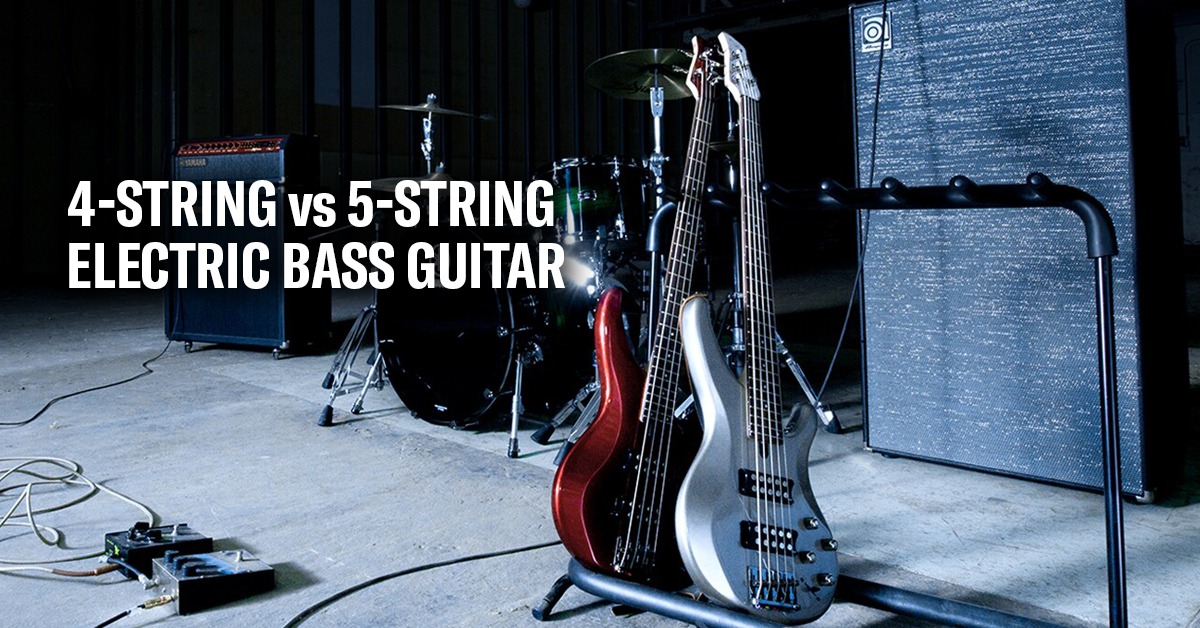
Quick answer : Choose a 4-string bass if you're new to bass, or you play rock, pop, blues, funk or band covers. Choose a 5-string if you need notes below the standard low E, for example in worship, metal, modern pop or session work. In Yamaha's range, the 5-string version of a bass costs ₹3,000 to ₹6,000 more than its 4-string twin.
When you shop for a bass guitar online, one question comes up almost immediately: four strings or five? The extra string looks like a small detail, but it changes the neck width, the range of notes, the way the instrument feels and the price. This guide explains the difference in plain language, so you can choose with confidence. If you also want to compare Yamaha's TRBX and BB series, read our Yamaha bass guitar buying guide.
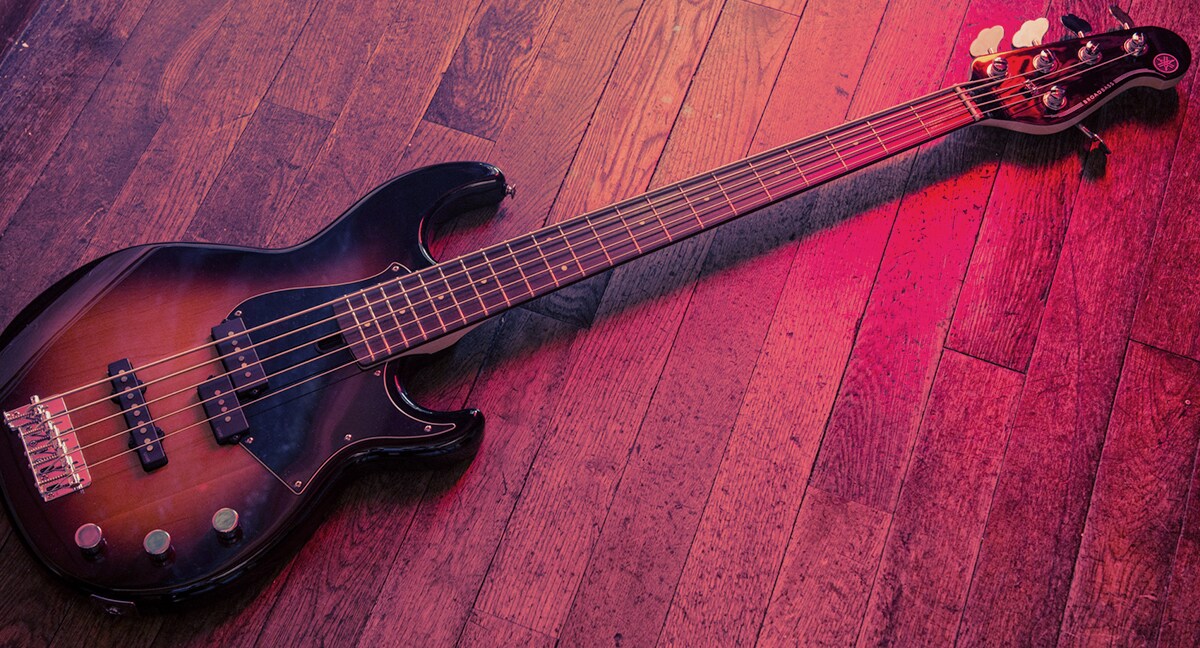
| 4-string bass | 5-string bass | |
|---|---|---|
| Standard tuning | E–A–D–G | B–E–A–D–G |
| Lowest note | Low E | Low B, below the E |
| Neck | Narrower | Wider |
| Range | Covers most songs | Extra low notes, plus more notes in one hand position |
| Best for | Beginners, rock, pop, blues, funk, band covers | Worship, metal, modern pop, session and studio work |
| Learning curve | Easier | A little more to manage (wider spacing, one more string to mute) |
| Price | Lower | ₹3,000 to ₹6,000 more on Yamaha's matching models |
The fifth string is a low B, tuned below the E of a standard bass. That one string adds three things:
The trade-off is a wider neck. A 5-string neck is wider than a typical 4-string, so your hand has more to cover, and you have an extra string to keep quiet when you're not playing it. For many players that's an easy adjustment. For a complete beginner, it can be one more thing to think about.
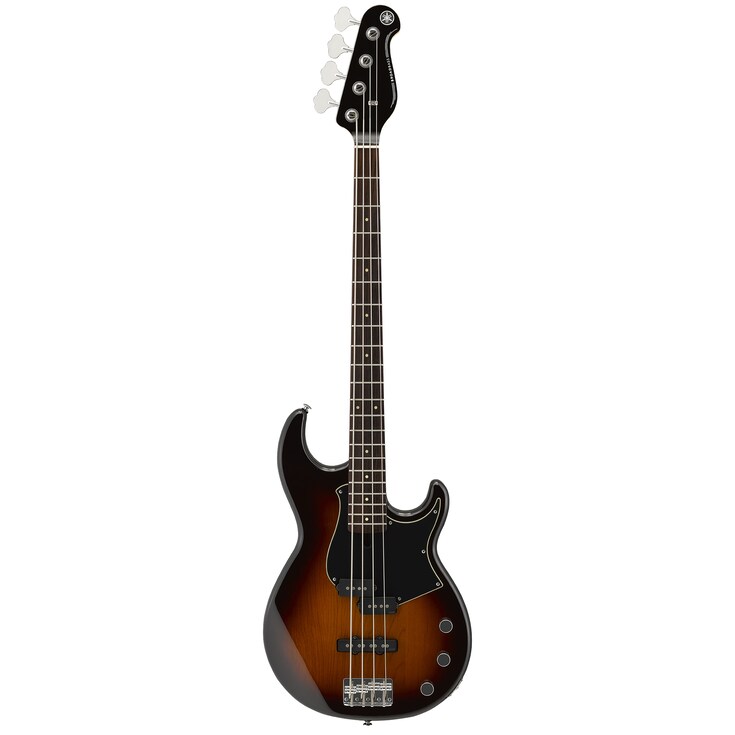
For most beginners, a 4-string bass is the better starting point:
If you already know you want a 5-string, that's fine too. You can simply ignore the low B at first and play it like a 4-string while your technique grows.
A 5-string makes sense if you:
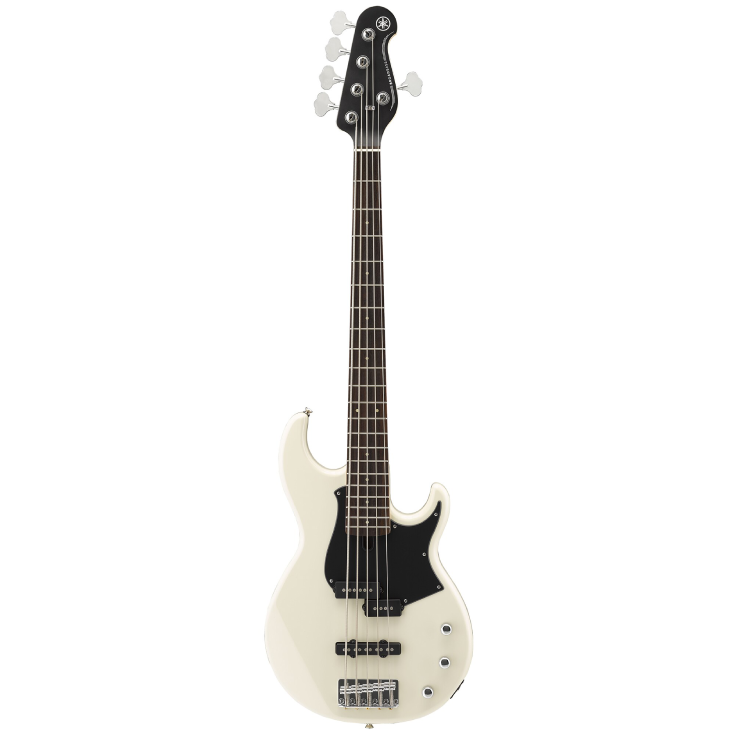
Yes, though the difference is small. Yamaha makes matching 4-string and 5-string versions of many models, so you can compare the price of the extra string directly. These are MRP prices at the time of writing:
| Series | 4-string | 5-string | Extra cost |
|---|---|---|---|
| BB200 | BB234, ₹32,490 | BB235, ₹38,490 | +₹6,000 |
| TRBX500 | TRBX504, ₹55,990 | TRBX505, ₹58,990 | +₹3,000 |
| BB400 | BB434, ₹58,490 | BB435, ₹63,990 | +₹5,500 |
| BB700 | BB734A, ₹88,990 | BB735A, ₹93,490 | +₹4,500 |
The entry-level TRBX174 (₹25,490) is a 4-string only, and it's the lowest-priced electric bass guitar in this range. Across the lineup, the bass guitar price runs from ₹25,490 to ₹93,490.
| Your situation | Look at |
|---|---|
| First bass, tight budget | TRBX174 (4-string) |
| First bass, with the option of a 5-string later | BB234 or BB235 (passive) |
| Gigging or recording, want tone control | TRBX504 or TRBX505 (active/passive switchable) |
| Classic BB sound with a simple setup | BB434 or BB435 (passive) |
| Stage and studio, premium build | BB734A or BB735A (active/passive) |
The finishes vary by model. The TRBX174 comes in black for anyone looking for a black electric bass guitar, while the BB735A is offered in Fired Red and the TRBX505 in Translucent Brown. The BB435 comes in Teal Blue if you want a blue electric bass guitar. Browse the full range of electric basses for current colours and stock.
A bass needs more than the instrument itself:
Coming from six strings? Our guide to electric guitars in India may help if you play both.
Ready to choose? Explore the full range of Yamaha electric basses.
A 5-string bass guitar can take slightly more time to get used to than a 4-string bass, especially for beginners. Its neck is generally wider to accommodate the additional low B string, and players need to develop better muting techniques to prevent unwanted string noise. However, with regular practice, most bassists adjust comfortably. The additional string also gives you access to lower notes and more flexibility when playing different music genres.
Yes, you can easily play songs written for a 4-string bass guitar on a 5-string bass. The standard four strings (E, A, D and G) are present on both instruments, while the 5-string bass includes an additional low B string. You can simply use the same finger positions, scales, chords and bass lines as you would on a 4-string model. The extra string provides more range without changing the way you play familiar songs.
The overall tone of a bass guitar depends on factors such as its pickups, body construction, strings and electronics rather than just the number of strings. However, a 5-string bass offers a wider tonal range because of its additional low B string. This allows you to play deeper bass notes that are not available on a standard 4-string bass without changing the tuning. It is particularly useful for genres such as rock, metal, gospel and contemporary music that benefit from extended low-end notes.
A 4-string bass guitar is generally the better choice for beginners because it has a narrower neck, fewer strings to manage and a simpler learning curve. It makes it easier to understand basic bass techniques, finger placement, scales and rhythm patterns. A 5-string bass is also suitable for beginners who specifically want to explore extended-range playing, but learning on a 4-string is often more straightforward. Your choice should ultimately depend on your musical interests and playing goals.
A 5-string bass guitar generally costs more than a comparable 4-string model because of its additional string, wider neck construction and associated hardware requirements. For matching Yamaha models, the price difference can typically range between ₹3,000 and ₹6,000, depending on the series and specifications. When comparing bass guitars, consider factors such as build quality, pickups, comfort and playability alongside the price to find an instrument that suits your requirements.
Converting a 4-string bass guitar into a 5-string bass is generally not practical. A 5-string bass requires a wider neck, a specially designed nut, an appropriate bridge and enough space to accommodate the additional string. Simply adding another string to a 4-string bass can affect its tuning stability, string spacing and overall playability. If you want the extended range of a 5-string instrument, purchasing a purpose-built 5-string bass guitar is the more reliable option.
Yes, you can buy a Yamaha bass guitar online in India through the Yamaha Music Store and choose from available payment options. The store offers No Cost EMI on eligible purchases with a cart value of ₹4,995 or above when using supported leading bank cards. This allows you to purchase your preferred bass guitar through convenient instalments rather than paying the entire amount upfront. EMI eligibility, participating banks and applicable terms and conditions may vary.
Share this post:
No products added for comparison.


 Passwords must be
at least 6 characters.