
OTP Verification
Enter the OTP that was sent to your mobile number.
Time remaining: 0:30
No Cost EMI is available on cart value of Rs: 4,995/- and above, Additional Exclusive Cashback offers from leading banks! - T&C

The acoustic piano is not just a musical instrument; it is a complete system of mechanical precision and acoustic response that translates human touch into sound. Every note begins at the fingertip, travels through a complex internal mechanism, and emerges as a tone shaped by wood, string, and resonance.
Its origins trace back through early keyboard instruments such as the clavichord and harpsichord, eventually evolving into the pianoforte. If traced further, the lineage connects to the monochord, placing the piano within the family of string instruments. What makes it unique is how this string-based system is controlled through a keyboard interface, allowing both melody and harmony to be performed simultaneously.
Yamaha acoustic pianos build on this legacy with a focus on precision engineering and consistency. Each component is designed to function in balance with the others, ensuring that the instrument does not just produce sound, but responds accurately to the intent of the player.
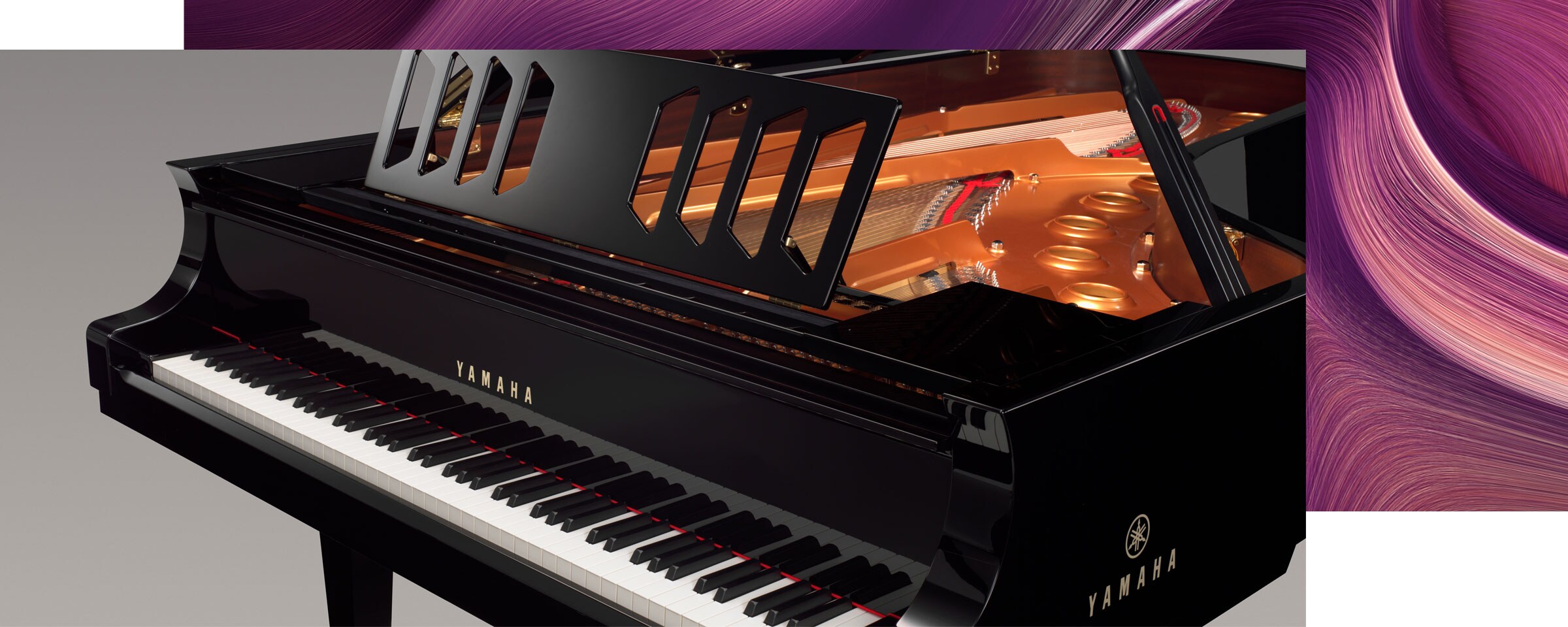
An acoustic piano is a string-based keyboard instrument that produces sound when keys are pressed, activating hammers that strike tightly stretched strings. The vibrations generated by these strings are transmitted to a soundboard, which amplifies and diffuses the sound throughout the instrument.
Unlike digital instruments, an acoustic piano does not rely on pre-recorded samples or electronic processing. Every sound is physically created in real time. This means that the tone is not fixed; it changes continuously based on how the keys are pressed, how quickly they are released, and how the instrument resonates as a whole.
One of the defining characteristics of an acoustic piano is its ability to produce complex harmonics. When a string is struck, other strings that are not directly played can also vibrate sympathetically. This interaction creates depth and richness in the sound, making each note more layered and natural.
This is why when users search for what is an acoustic piano, the most accurate answer is that it is an instrument where sound is created through physical interaction, not reproduced.
Understanding how an acoustic piano works helps explain why it offers such a high level of control and expression.
When a key is pressed, it sets off a chain of mechanical events known as the action. This action consists of thousands of precision parts working together.
The key movement pushes a lever system that propels a hammer toward the strings. The hammer strikes the strings and immediately rebounds, allowing the strings to vibrate freely. These vibrations travel through the bridge into the soundboard, a large wooden surface that amplifies the sound.
The soundboard plays a critical role. Without it, the strings alone would produce very little volume. By diffusing the vibrations across a larger surface, the soundboard creates a full, resonant tone that fills the space.
Another important aspect is resonance. When one note is played, nearby strings can begin to vibrate in response. This phenomenon adds complexity to the sound, making it richer and more dynamic.
In Yamaha acoustic pianos, this entire mechanism is engineered with high precision. The balance between the action, strings, and soundboard ensures that each note responds consistently, allowing the player to focus entirely on performance.
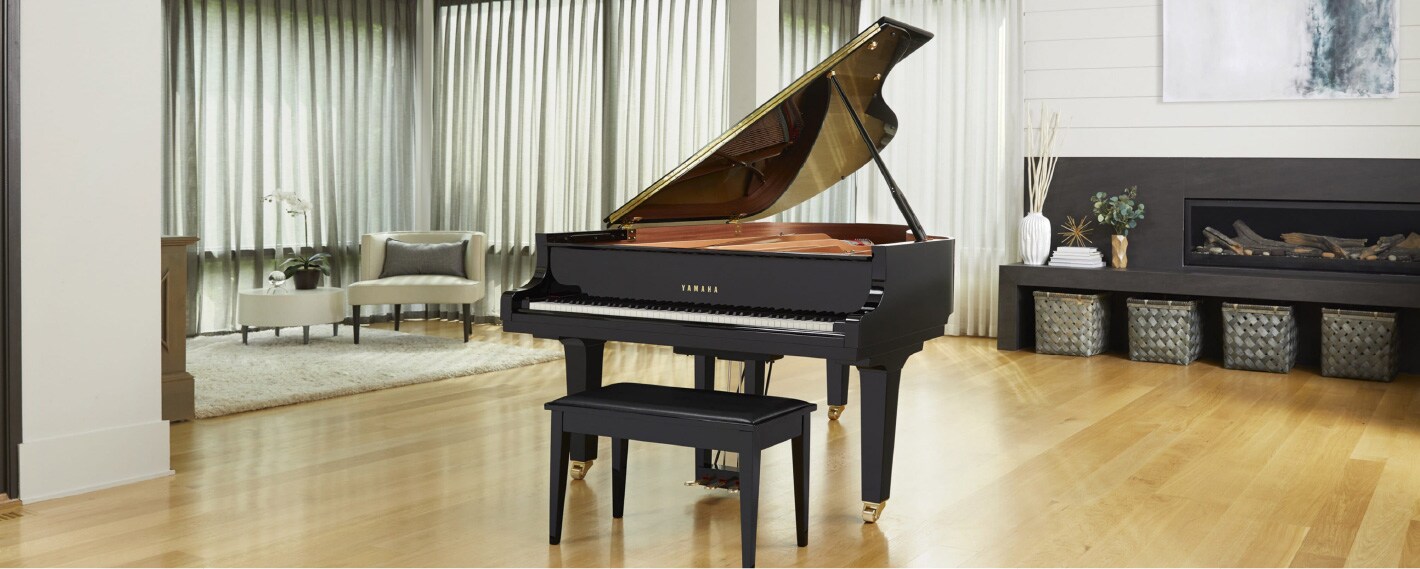
The acoustic piano stands apart because of how it responds to touch and how it produces sound.
The action mechanism in an acoustic piano is capable of translating extremely subtle finger movements into sound. Even slight variations in pressure or speed can change how the hammer strikes the string, directly affecting the tone and volume. This level of sensitivity allows musicians to control their performance with precision.
Unlike digital instruments that reproduce fixed samples, an acoustic piano produces tone in real time. The interaction between strings, hammers, and the soundboard creates variations in timbre. A note played softly will not only be quieter but will also have a different tonal quality compared to the same note played forcefully.
The entire instrument acts as a resonator. Vibrations from one string can influence others, creating a layered sound. This natural resonance gives the piano its depth and makes each performance unique.
This is why comparisons like acoustic piano vs digital piano consistently highlight the acoustic piano’s ability to deliver a more organic and expressive sound.
In an acoustic piano, sound is produced through a string-striking mechanism known as the action. When a key is pressed, the hammer strikes the string, creating vibrations that are transferred through the frame to the soundboard. The entire structure of the instrument contributes to sound production, acting as a resonating body. This results in a tone that is not only powerful but also rich and full, with natural projection that does not require amplification.
The action system in an acoustic piano consists of approximately 5,500 individual parts. These components work together to convert finger movement into precise hammer motion. The responsiveness of this system allows players to control dynamics and articulation with accuracy. This level of mechanical precision ensures that the instrument responds intuitively, making it possible to express even the smallest musical nuances.
Tone in an acoustic piano is shaped by the interaction of multiple strings and the resonance of the soundboard. When a note is played, not only does the struck string vibrate, but other strings can also resonate sympathetically. This creates a complex harmonic structure, giving the piano its characteristic depth and warmth.
Acoustic pianos are capable of sustaining notes over time, allowing the sound to evolve from the initial attack to its gradual decay. The player can influence both the volume and tonal character, moving from soft, mellow tones to bright, powerful sounds. This wide expressive range enables musicians to convey emotion with clarity and precision.
Acoustic pianos from Yamaha are built for long-term use. With proper maintenance, including periodic tuning and replacement of worn parts, they can retain their performance quality for decades. This makes them not just instruments, but long-term investments in musical development.
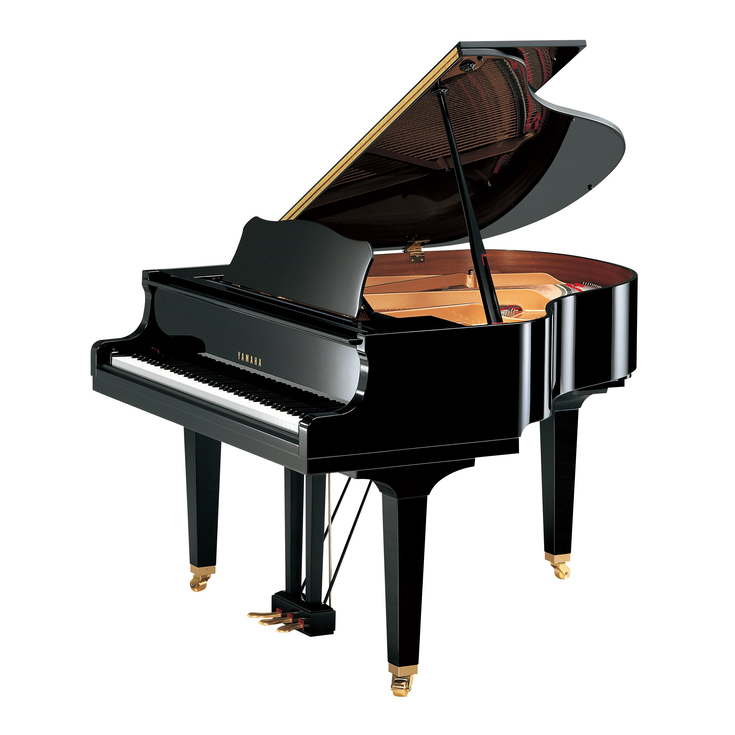
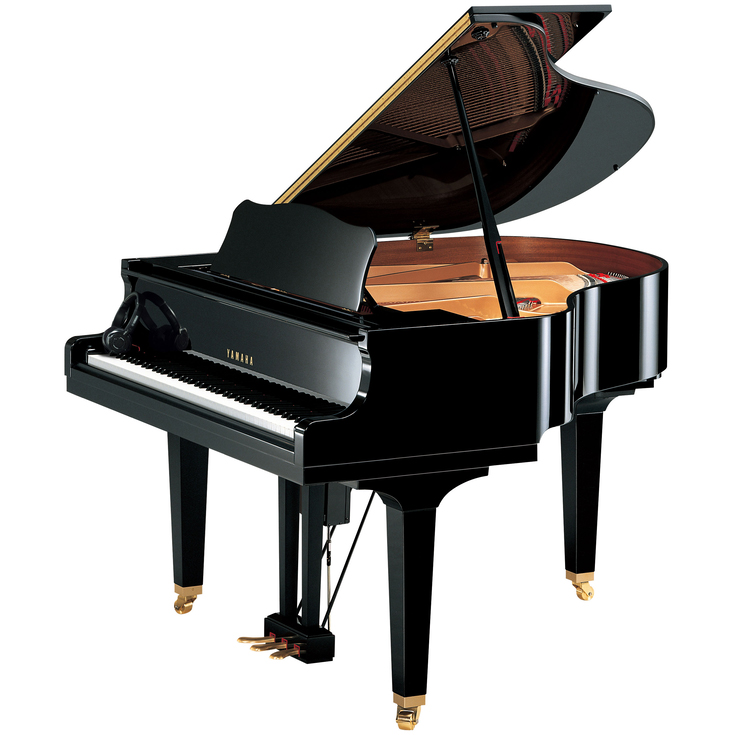
There are two primary types of acoustic pianos: Grand Piano and Upright Piano. While both operate on the same fundamental principles, their design and performance characteristics differ based on structure and intended use.

A grand piano features horizontally strung strings and a larger soundboard, allowing for greater resonance and tonal complexity. This design provides a wider dynamic range and more responsive touch.
One of the defining features of a grand piano is its ability to produce a more varied and balanced sound. From soft pianissimo passages to powerful fortissimo sections, the instrument responds with clarity and depth.
The horizontal layout also allows the hammers to return to their resting position using gravity. This enables faster repetition of notes, which is essential for advanced techniques such as trills and rapid passages.
Grand pianos also offer smoother sustain. Notes blend naturally, creating a seamless flow of sound that enhances musical expression.
Grand pianos are best suited for professional environments, including concert halls, recording studios, and advanced performance settings. They are preferred by musicians who require maximum control over tone and dynamics.
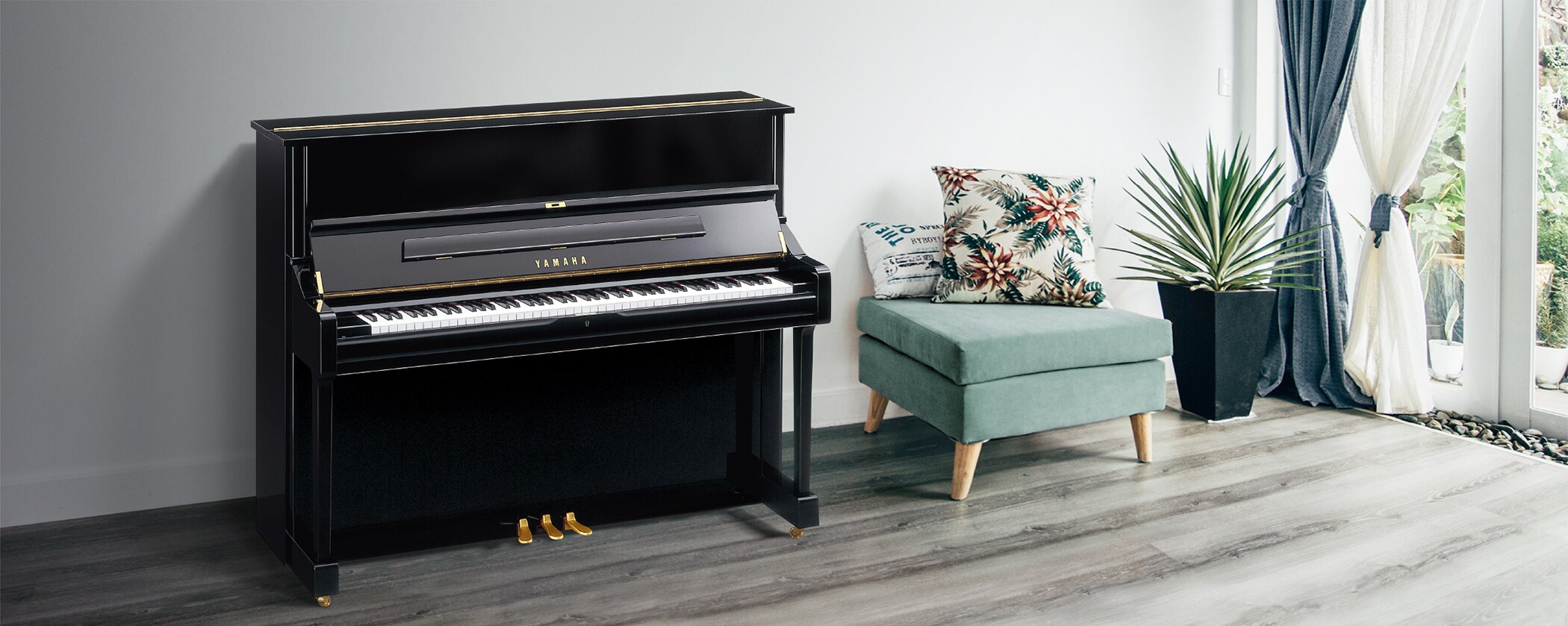
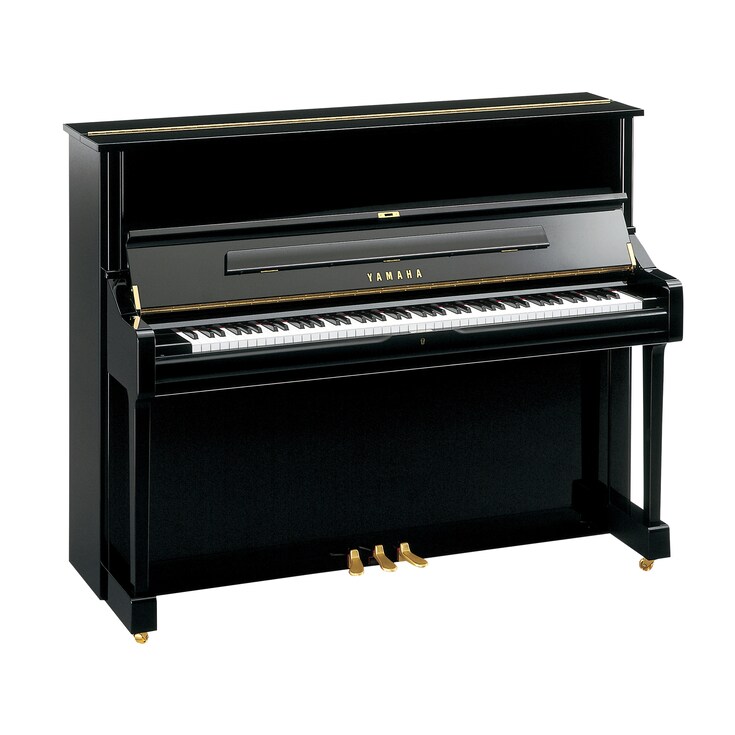
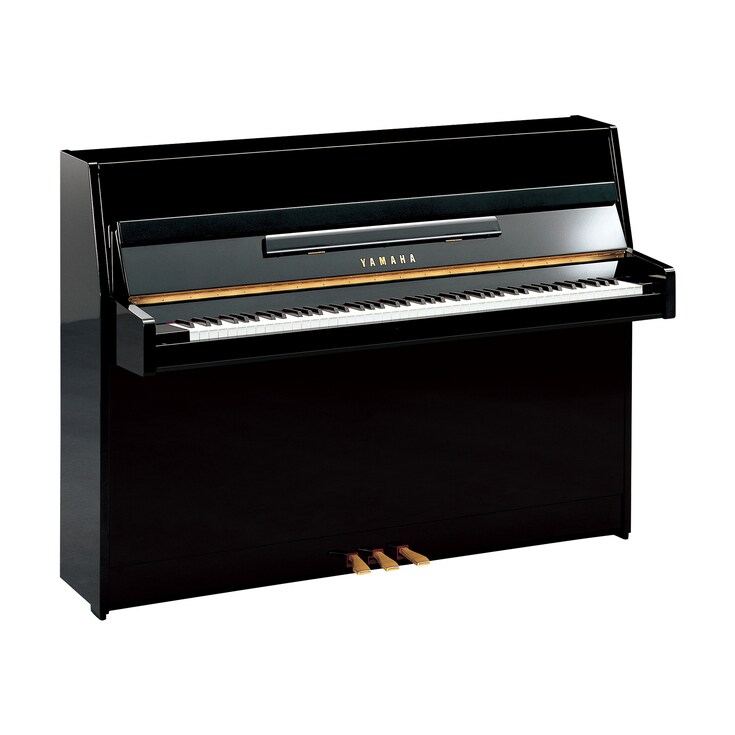
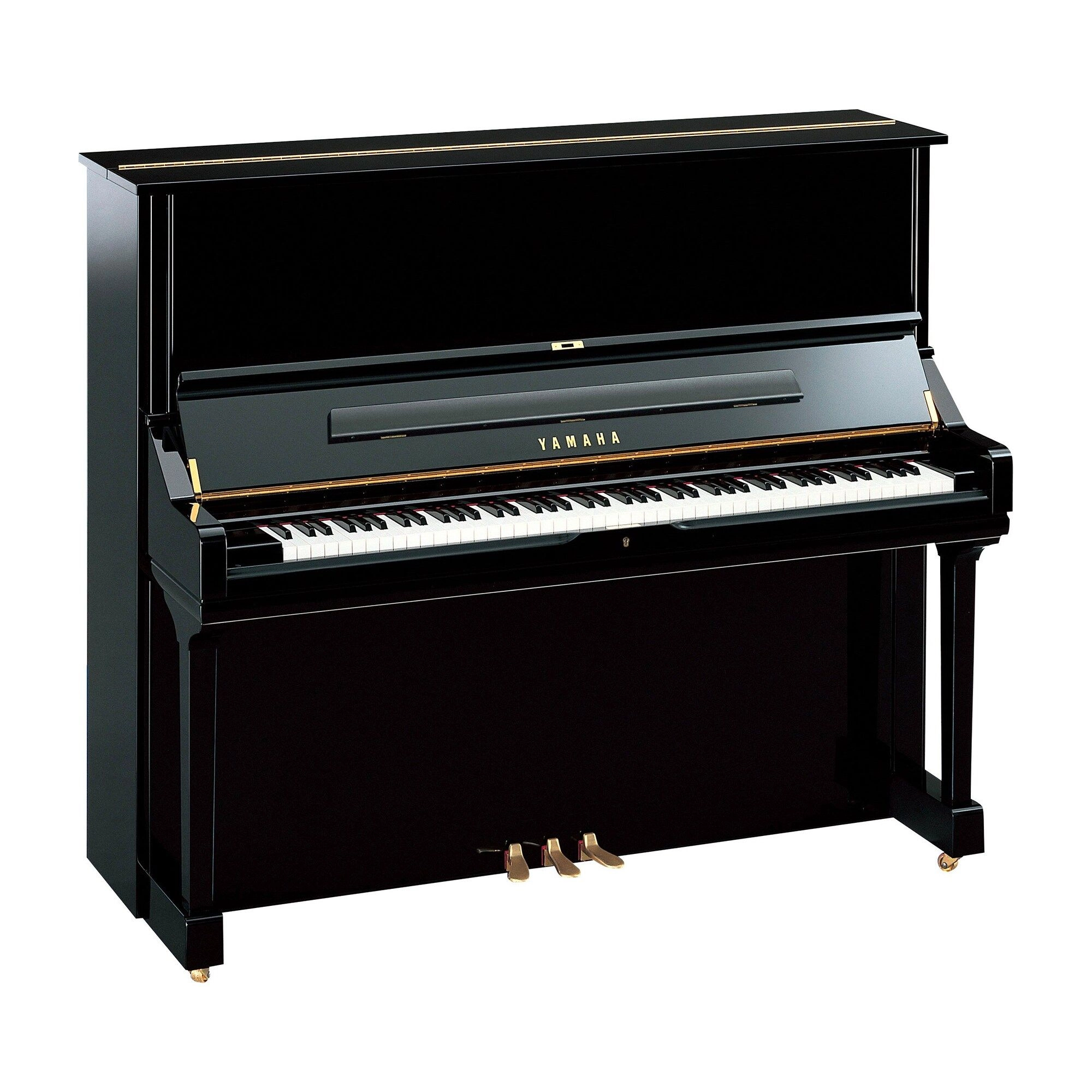
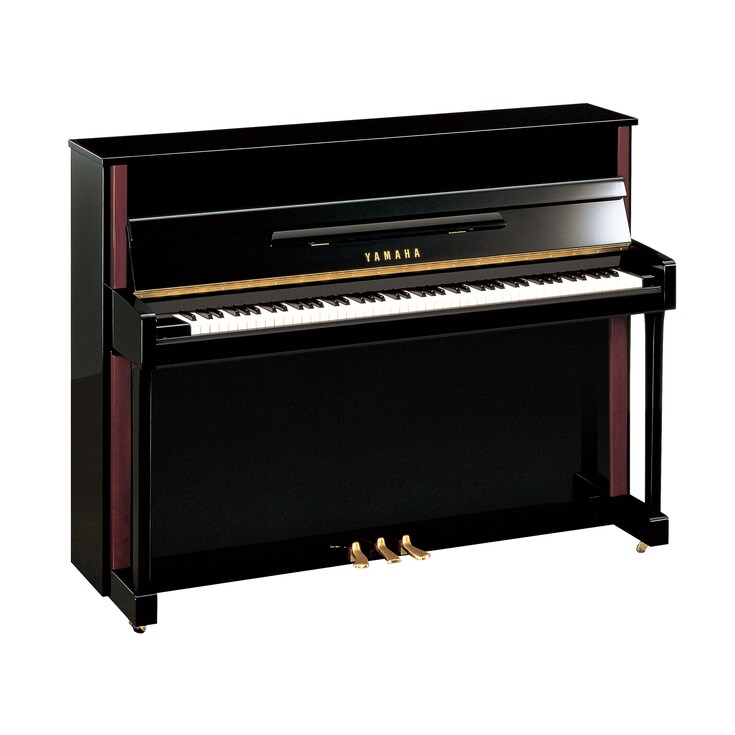
An upright piano is designed with vertically strung strings, making it more compact and suitable for smaller spaces. Despite its size, it retains the essential characteristics of an acoustic piano.
The vertical design means that hammers return to their resting position using springs rather than gravity. This results in slightly slower repetition compared to grand pianos, but still provides sufficient responsiveness for most playing styles.
Upright pianos offer a focused and controlled sound, making them ideal for practice and learning. Their compact structure allows them to fit comfortably in homes, schools, and teaching environments.
Upright pianos are ideal for beginners, intermediate players, and those looking for a space-efficient instrument without compromising on acoustic quality.
| Feature | Grand Piano | Upright Piano |
|---|---|---|
| String Orientation | Horizontal | Vertical |
| Sound Quality | Rich, expansive, layered | Focused and controlled |
| Key Repetition | Faster due to gravity action | Moderate due to spring action |
| Sustain | Longer and smoother | Relatively shorter |
| Space Requirement | Larger | Compact |
| Use Case | Performance, studio | Home, learning |
The shift pedal moves the entire action slightly, altering both volume and tonal character. It creates subtle tonal variation rather than just reducing loudness.
The sostenuto pedal allows selected notes to be sustained while others are played normally. This provides greater control in complex compositions.
The sustain pedal lifts all dampers, allowing strings to continue vibrating even after the keys are released, creating a fuller sound.
The soft pedal reduces volume by moving hammers closer to the strings, limiting their striking force.
The muffler pedal introduces a layer of felt between the hammers and strings, significantly reducing sound output for quiet practice.
The sustain pedal functions similarly to that of a grand piano, allowing notes to resonate after being played.
Musicians choose acoustic pianos because of their ability to translate emotion into sound without interference. The direct connection between touch and tone allows for complete control over expression.
The natural resonance, dynamic range, and tonal variation provide a level of depth that digital instruments cannot fully replicate. For serious players, this makes the acoustic piano an essential instrument.
| Feature | Acoustic Piano | Digital Piano |
|---|---|---|
| Sound Source | Strings and soundboard | Digital samples |
| Touch Response | Mechanical, highly sensitive | Simulated |
| Maintenance | Requires tuning | Minimal |
| Expression | Unlimited | Limited by sampling |
| Portability | Low | High |
When you purchase from Yamaha Music Store, you are investing in authenticity and long-term reliability. Each instrument is backed by Yamaha’s manufacturing standards and quality assurance.
Flexible payment options such as No Cost EMI for up to 12 months make premium instruments more accessible. Dedicated customer support ensures assistance throughout the buying journey, from selection to after-sales service, creating a seamless and reliable experience.
An acoustic piano is a musical instrument that produces sound through hammers striking strings, with the sound amplified by a soundboard. It does not use electronic sound generation, and every note is created based on the player’s touch.
When a key is pressed, it activates a mechanism that pushes a hammer toward the strings. The hammer strikes the strings, creating vibrations that are amplified by the soundboard. Dampers control how long the sound lasts. This explains how an acoustic piano works step by step for beginners and learners.
The difference between acoustic piano and digital piano lies in sound creation. Acoustic pianos produce sound physically, while digital pianos use recorded samples. This results in greater tonal depth and variation in acoustic instruments.
The choice between grand and upright depends on space and usage. Grand pianos offer better resonance and response, while upright pianos are compact and practical for home use.
The main types are grand piano and upright piano. These differ in structure, size, and performance characteristics.
For beginners, models like Yamaha B2 and Yamaha U1 are suitable due to their balance of size, tone, and ease of use, often searched under best acoustic piano for beginners in India.
An acoustic piano produces sound through natural resonance and harmonic interaction between strings, resulting in a layered and evolving tone that cannot be fully replicated digitally.
Investing in an acoustic piano from a brand such as Yamaha Music India is valuable for long-term musical development. With proper care and support, it remains a reliable instrument for years, making it a practical choice for serious learners.
Share this post:
No products added for comparison.


 Passwords must be
at least 6 characters.
Passwords must be
at least 6 characters.